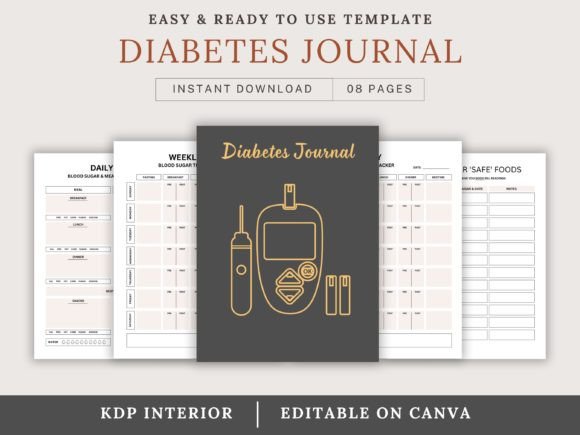
Diabetes Journal: Your Simple, Smart Tracking Tool
Managing diabetes doesn’t have to mean guesswork or constant frustration. A Diabetes Journal is a practical, no-tech (or low-tech) companion that helps you notice patterns, make thoughtful choices, and stay grounded in your day-to-day care. Think of it less like a medical log and more like a personal roadmap—designed to reflect *your* rhythms, meals, energy, and responses—not someone else’s.
What Makes This Diabetes Journal Different?
This isn’t just blank lined pages. It’s thoughtfully structured with features that align directly with real-life diabetes management:
- BLOOD SUGAR ‘SAFE’ FOODS — A quick-reference list of everyday foods that tend to support steady glucose levels, based on common clinical guidance and real-world feedback.
- BLOOD SUGAR ‘AVOID’ FOODS — Not about strict bans, but awareness: items that often cause sharp spikes for many people, helping you pause and plan instead of react.
- DAILY BLOOD SUGAR MEAL TRACKER — Log readings before and after breakfast, lunch, dinner, and snacks—alongside what you ate and how you felt. Over time, you’ll start seeing which meals leave you energized versus sluggish.
- WEEKLY BLOOD SUGAR TRACKER — A visual snapshot showing trends across seven days. Spot patterns like higher morning numbers or post-dinner dips—without needing charts or apps.
- MEDICATION LOG — Track doses, timing, and notes (e.g., “took late due to meeting,” “felt dizzy after”). Helpful for spotting missed doses or side-effect links.
- RECIPE SECTION — Space to jot down go-to meals, adjust portions, or note how a new recipe affected your numbers the next day.
Why People Reach for This Journal—Not Just Apps
Many adults aged 20–50 already use apps—but sometimes, simplicity wins. You might prefer writing by hand to slow down and reflect. Or maybe you’re juggling work, family, and health, and want something that takes two minutes—not twenty—to open and fill out. Others use it alongside digital tools: logging fast checks in the journal, then syncing key insights to their app weekly.
A small business owner with prediabetes uses the weekly tracker to compare stress-heavy days (back-to-back calls) with calmer ones—and notices her fasting numbers rise when she skips lunch. A freelance graphic designer logs meals and energy levels to find which snacks help her focus during long editing sessions. A parent of a child with type 1 diabetes adapts the safe/avoid lists into visual cards for school lunches.
Where It Fits Into Real Life
You don’t need a diagnosis to benefit from this kind of mindful tracking. It works well for:
- Beginners learning how food, movement, and sleep connect to blood sugar.
- Creatives & entrepreneurs who thrive with analog tools and value clarity over clutter.
- Educators and health coaches who share printed pages with clients as part of coaching plans.
- Small business owners building wellness resources—this journal can be branded, customized, or bundled with courses or consultations.
- Hobbyists and lifelong learners interested in biofeedback, habit-building, or preventative health.
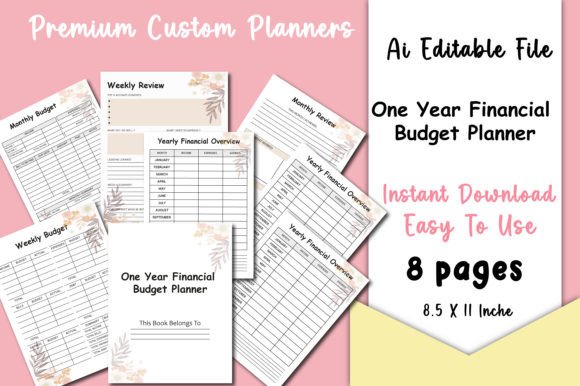
Because it comes as both a Canva Editable File and a clean PDF File, you can tweak fonts, colors, or add your logo—or print it exactly as-is. The 8.5″ x 11″ size fits standard printers and binders. At 8 pages and 300 PPI in CMYK, it prints crisply whether you’re making one copy or fifty.
Practical Tips Before You Start
Getting the most from your Diabetes Journal doesn’t require perfection—it requires consistency, curiosity, and kindness toward yourself.
Start small: pick just one section to fill out for three days—maybe the daily meal tracker. Notice what feels easy or hard. Did you forget to log after dinner? That’s useful data too. It tells you when and where support (like setting a phone reminder or keeping the journal next to your coffee maker) would help.
Don’t aim to track everything at once. Many people begin with pre- and post-meal numbers plus one food note—then gradually add medication or mood if it feels helpful. Your journal should serve *you*, not add pressure.
Bring it to appointments. Even a few filled-in pages gives your doctor or dietitian concrete clues—like whether your insulin timing lines up with carb intake, or if certain workouts consistently lower your evening readings. That shared context leads to smarter, faster adjustments.
What to Keep in Mind
This journal supports informed self-management—but it’s not a replacement for professional medical advice. Always consult your care team before changing medications, insulin doses, or treatment plans.
The safe/avoid food lists are general starting points—not universal rules. Everyone’s body responds differently. Use them as conversation starters, not commandments. If oatmeal spikes your numbers but rice doesn’t, your journal will show that—and that’s where true personalization begins.
Also, consider how you’ll store or protect your entries. Since it’s printable and editable, you can keep physical copies private or digitize pages using your phone’s scanner app. No login, no subscription, no algorithm deciding what’s “relevant.” Just your observations, your way.
Final Thought: Clarity Starts With One Page
A Diabetes Journal meets you where you are—whether you're newly diagnosed, supporting a loved one, teaching others, or simply curious about how your body responds to daily life. It turns abstract numbers into meaningful stories. It turns habits into insights. And it reminds you, quietly but steadily, that managing diabetes isn’t about control—it’s about connection: to your body, your choices, and your care team.
When you understand your own patterns, even a little better, everything else—from grocery lists to doctor visits—gets a little clearer. That’s the quiet power of putting pen to paper.