Sleep Optimization Planner Kdp Interior: A Thoughtfully Designed Foundation for Real-World Use
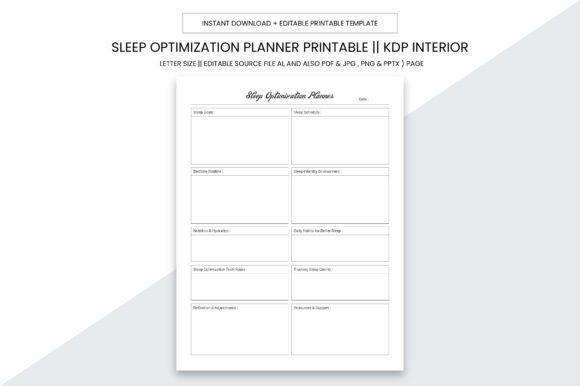
Today’s professionals, creators, and small business owners don’t just need more tools—they need tools that respect their time, workflow, and intentionality. The Sleep Optimization Planner Kdp Interior meets that need precisely: a 109-page, print-ready interior designed not as generic filler, but as a functional, adaptable framework for tracking, reflecting on, and improving sleep habits—whether for personal wellness, client-facing coaching, or scalable KDP publishing.
Why Sleep Tracking Is No Longer Optional—And Why the Format Matters
Sleep is no longer treated as passive downtime. Research, wearable adoption, and rising awareness around circadian health have shifted it into the center of performance conversations—from software engineers managing cognitive load to educators sustaining emotional resilience. But data alone doesn’t change behavior. What does? Consistent, low-friction documentation—done in a format that aligns with how people actually work.
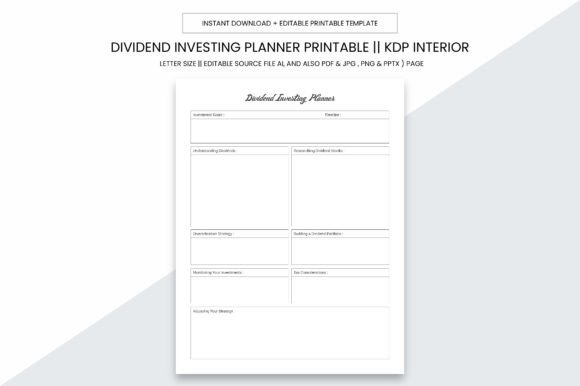
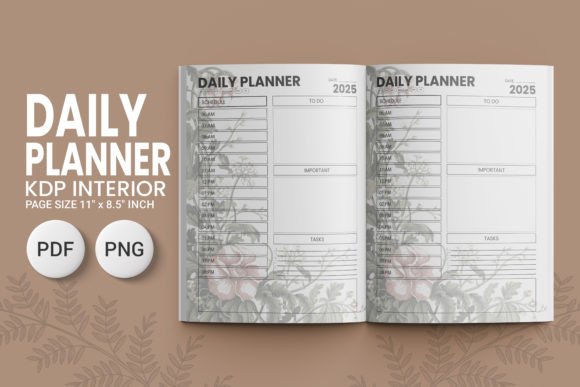
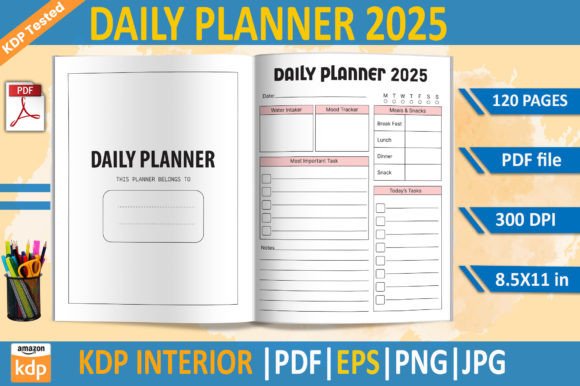
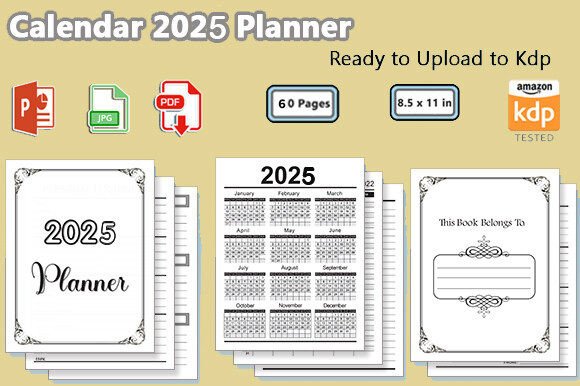
That’s where the practical design choices behind this interior become consequential. At 8.5 x 11 inches, it fits standard binders, desktop printers, and local print shops without cropping or scaling. The “no bleed” specification means margins stay clean and readable—critical when users are handwriting notes, pasting lab results, or adding quick reflections after morning journaling. It’s not oversized to impress; it’s sized to serve.
More Than a Template: Built for Flexibility Across Roles
A freelance health coach might use the planner’s daily log pages to guide client check-ins—tracking bedtime consistency, caffeine timing, and wind-down rituals across weeks. A solopreneur launching a wellness brand could repurpose the editable AI source file to insert custom branding, add a short educational sidebar on melatonin sensitivity, or localize content for regional audiences. An educator building a high school health unit might extract individual PDF pages (JPG/PNG/PPTX versions included) to project sleep hygiene comparisons in class—or assign printable reflection sheets as homework.
This isn’t a one-size-fits-all journal. It’s a modular system. The inclusion of layered Adobe Illustrator (.AI) files means designers can adjust typography, spacing, or iconography without compromising print integrity. The 300 PPI resolution ensures crisp text and subtle grid lines—no pixelation when printed at home or professionally bound. And because every page is optimized for KDP upload, creators skip tedious reformatting and go straight to publishing.
How Modern Workflows Are Reshaping Planner Expectations
Five years ago, a digital planner might have meant static PDFs—locked, uneditable, visually rigid. Today’s users expect interoperability. They want to annotate in GoodNotes, export insights to Notion, or paste screenshots from Oura or Whoop dashboards directly into designated tracker zones. That’s why this interior includes both editable vector assets *and* multiple raster formats (JPG, PNG) alongside the primary PDF—so users aren’t forced into a single toolchain.
It also reflects a broader shift in how people consume self-improvement resources: less “motivational overload,” more quiet utility. There are no flashy affirmations crowding the margins. Instead, intentional whitespace supports focus. Clean typography improves legibility during early-morning or late-night entries. Subtle color-coding (in the editable source) helps distinguish phases—pre-sleep routines vs. wake-up metrics vs. weekly synthesis—without visual noise.
Real-World Readiness: From Local Print Shops to Global KDP Listings
If you run a small wellness studio, you can download the files today, tweak the cover copy in Illustrator, and send the final PDF to your neighborhood print shop for spiral-bound copies—no third-party platform required. You control pricing, distribution, and customer relationships. For KDP sellers, the 109-page interior is pre-formatted to Amazon’s latest specs: correct margins, embedded fonts, CMYK-safe colors, and no transparencies that trigger upload errors. That saves hours—not just in prep, but in avoiding rejection loops that stall launch momentum.
Even the file naming convention signals attention to detail: clearly labeled layers in the AI file (“Daily Log,” “Weekly Review,” “Resource Appendix”) make edits intuitive. PNG exports retain transparency for overlay work; PPTX slides simplify workshop handouts or social media carousels. Nothing is buried. Nothing is arbitrary.
Not Just for Sleep Enthusiasts—A Tool for Systems Thinkers
At its core, the Sleep Optimization Planner Kdp Interior supports systems thinking—not just symptom tracking. Its structure mirrors evidence-based behavioral frameworks: habit stacking cues (e.g., “After brushing teeth, I fill out tonight’s log”), environmental audits (light exposure, bedroom temperature), and lagging indicators (mood scores, next-day focus ratings). These aren’t abstract concepts—they’re laid out as simple checkboxes, sliders, and free-write prompts.
Consider a remote team lead noticing recurring afternoon slumps in sprint retrospectives. Rather than defaulting to caffeine fixes or meeting reshuffles, they could introduce the planner’s “Energy & Sleep Correlation Tracker” across their team—anonymous, voluntary, and focused on patterns, not judgment. Insights gathered over three weeks often reveal shared triggers: inconsistent start times, blue-light exposure after 8 p.m., or mismatched chronotypes in collaborative hours. That kind of observation starts with consistent, accessible documentation—not complex apps or expensive biometric subscriptions.
Design Integrity Meets Practical Output
High-resolution output isn’t about aesthetics alone—it’s about longevity. A 300 PPI interior ensures clarity whether someone prints a single page for a doctor’s visit or orders a full-color, coil-bound version for daily use. Crisp lines support handwriting legibility; generous margins prevent binding loss; consistent baseline grids keep entries aligned even when rushed. These details reduce friction—the silent killer of habit formation.
And because the interior avoids bleed, there’s no guesswork when trimming physical copies. Local printers appreciate that. Users appreciate that. Even automated KDP preview tools render it accurately—fewer surprises, fewer revisions.
Who Benefits—and How They Use It Differently
- Content creators integrate select pages into paid courses—offering printable trackers as bonuses that reinforce learning without requiring app signups.
- Therapists and coaches use the editable AI file to embed practice-specific protocols—like CBT-I prompts or breathwork timing guides—while keeping the core structure intact.
- KDP publishers treat the 109-page PDF as a production-ready foundation, then layer in unique covers, intros, or companion guides to differentiate listings in a crowded niche.
- Students and lifelong learners print individual sections—say, the “Sleep Environment Audit” or “Circadian Rhythm Mapping” spread—to pin above desks or include in study binders.
- HR and L&D teams adapt the weekly review template for internal wellness challenges—measuring participation, not just outcomes.
No feature exists in isolation. The 8.5 x 11 size enables easy scanning and filing. The no-bleed spec reduces waste at print shops. The multi-format bundle lowers barriers to entry—whether you're editing in Illustrator or dropping a PNG into Canva. Every decision reinforces usability—not just for the first week, but across months of real-world iteration.
A Resource That Grows With Its Users
Sleep habits evolve. So should the tools supporting them. Because the Sleep Optimization Planner Kdp Interior ships with editable source files—not just static PDFs—it invites adaptation. Add a new metric. Remove a section that doesn’t resonate. Translate a page for bilingual clients. Integrate a QR code linking to a private video tutorial. The structure stays stable; the content stays relevant.
That balance—between thoughtful constraint and open-ended utility—is rare. It’s why this interior works equally well for someone beginning their sleep health journey and for a seasoned practitioner building a scalable product line. It doesn’t assume expertise. It assumes respect—for time, for intention, and for the quiet, cumulative power of showing up, consistently, with the right tool in hand.